







A new prime minister, even in the face of a brutal attack, preaches ‘love wins’ to a country in need of a new political narrative.
 As Africa’s second most populous country and its fastest growing economy, Ethiopia is extraordinary in many ways. It weaves together 80 ethnic groups as well as Christians and Muslims. On a continent with the world’s youngest population, the median age of Ethiopia’s 102 million people is 18.
Yet now add to this list a new prime minister, Abiy Ahmed, who took office in April as Africa’s youngest ruler with this extraordinary trait: He could be the only leader of any country who frequently tells people, “Love wins.”
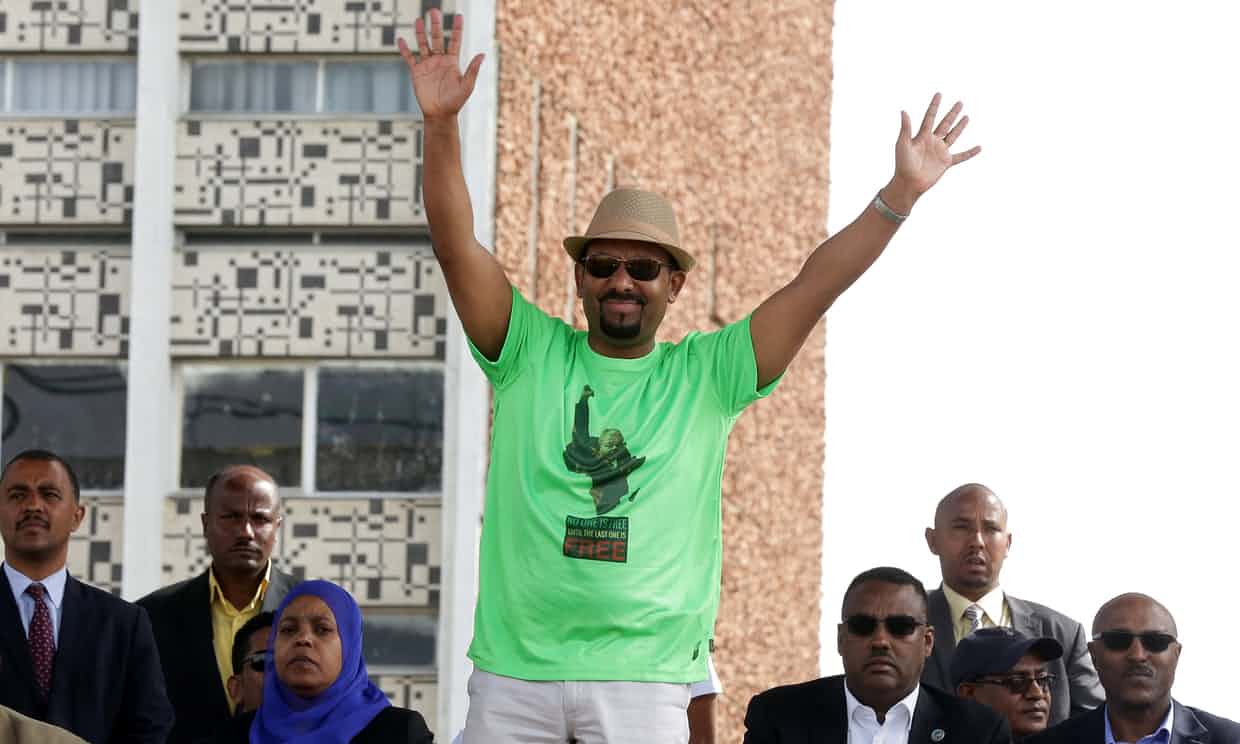
Last Saturday, for example, after he gave a speech to a large and adoring crowd in the capital, Addis Ababa, someone threw a grenade toward him, killing two people and injuring more than a hundred. His response? “Love always wins. Forgiveness will win. Killing others is a defeat.”
After taking office, he apologized for the killing of dissidents under previous leaders. “I ask forgiveness from the bottom of my heart for the many advocates of freedom and justice…” he said.
He admitted the country is in chaos, a result mainly of several years of antigovernment protests. He also admitted the government is tainted by corruption, pledging a crackdown and better rule of law. And he quickly tried to lift a climate of fear by releasing thousands of political prisoners and ending government blockage of opposition media.
His main message during a national tour: “We are now on the path of change and love.”
His biggest drawback is that he represents a ruling coalition, made up of representatives from different groups, that has been in power since 1991. As a young and reformist leader, he may have been chosen by the Ethiopian People’s Revolutionary Democratic Front (EPRDF) in large part to preserve its dominance. He, in turn, could be trying to win the people’s support in order to fend off resistance from the party’s old guard and achieve real reform.
His emphasis on love as a national unifier may stem from his pedigree. He has a PhD in peace studies and “social capital.” His father is a Muslim from the largest ethnic group, the Oromo, while his mother is Christian from the second-largest group, Amhara. He speaks several languages, once worked in military intelligence, and earned a master’s degree from the University of Greenwich in London.
To rise above a long history of ethnic conflict, Ethiopia will need love and forgiveness put into action. Ahmed says a country with so many differences could bring a blessing if people listen to each other and “there is understanding based on principles.” He has proposed a commission to look for new ways to blend the country’s ethnicities into a larger political narrative than the shaky EPRDF coalition.
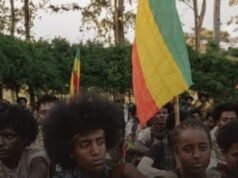
So far, Ahmed has caught the imagination of Ethiopian youth. Many in Saturday’s crowd carried signs that read “One Love, One Ethiopia.” Two days after the blast, dozens of people were lining up to donate blood for the wounded. It was another example of love winning.