




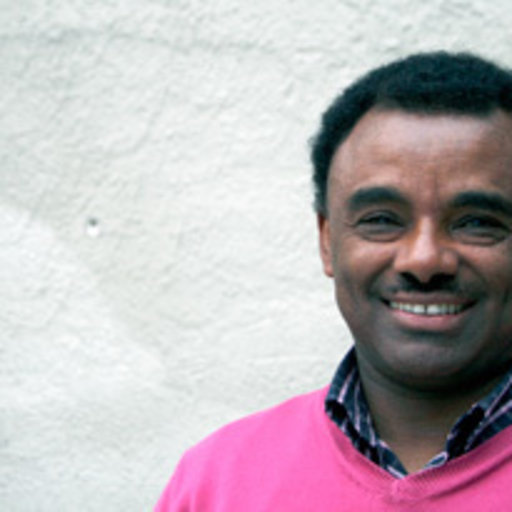






 An article titled “Once a Bucknell Professor, Now the Commander of an Ethiopian Rebel Army” was published in the New York Times Magazine on Aug. 31 and profiles the former economics professor and current Ethiopian rebel army commander, Berhanu Nega.
Written by freelance journalist, author, and former war correspondent Joshua Hammer, the article explains that Nega obtained political asylum in the United States from Ethiopia in 1980. Nega had been deeply involved in the hostility between neighboring African countries Ethiopia and Eritrea before arriving in the United States.
In 2008, Nega co-founded an army located on the Eritrean side of the border called Ginbot 7 with another former Ethiopian named Andargachew Tsege. Tsege acted as the political leader located in Eritrea, while Nega remained based in Lewisburg as a fundraiser and intellectual leader. In June 2014, Tsege was arrested and moved to Addis Ababa, the capital of Ethiopia, where he currently faces a death sentence.
After Tsege’s arrest, Nega took over as a political leader and left Lewisburg to head Ginbot 7 in Eritrea, where he is currently located. Nega commands hundreds of rebel fighters in Eritrea and an unknown number of rebel fighters across the border in Ethiopia.
Hammer remarks that “Nega believed that momentum was on his side” in terms of Ginbot 7’s ability to bring down the Ethiopian government. Hammer quotes Nega saying that “it certainly won’t be a decade” before his forces cross the border.
At the University, Nega taught a popular economics elective called “African Economic Development.” Nega has said that his “interest is in making students aware of the other countries, and how they can relate to those other countries.” He is currently on an extended sabbatical.
Nega left the University in 1994 to teach at Addis Ababa University in Ethiopia. He then became the first elected mayor in 2005, but was jailed for two years before he could take office.
“I saw what a dictatorship can do to a society, and that really sealed my view that unless you make the state accountable to the people and free from corruption, you will have poverty, conflict, and suffering,” Nega said upon returning to the University in 2008