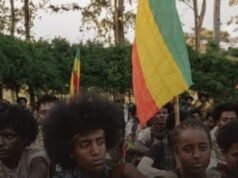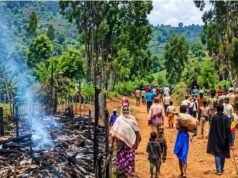










[JURIST] Ethiopia’s opposition leader and leader of the Oromo ethnic group, Tiruneh Gamta, demanded on Saturday the release of all political prisoners “regardless of any political stand or religion or creed.” The Oromo ethnic group, representing the largest group among the protestors, is largely credited with starting the protests last November when the government announced its plan to expand the capital into the Oromia region. Although the Oromos initially started protesting against what they viewed as a plan to remove them from fertile land in the region, the protests started taking on a different theme even as the government dropped its plan to expand the capital—one calling for the release of political prisoners [Al Jazeera report]. According to rights groups, at least 500 people have been killed and thousands arrested since the unrest began. No one has heard from many of the individuals who have been detained. Many reports have also surfaced of attacks by protestors on foreign-owned business such as flower farms and horticultural companies. Esmeralda farms reported losses of over US$11 million as crowds of protestors torched many foreign flower farms perceived as having links to the government. The government rejected claims that violence from the security forces was part of any systemic plan, and stated its intention to communicate with the opposition groups to listen to their grievances. The government also promised to hold accountable those officers found guilty of abuse.
Ethiopia has used its broad anti-terrorism laws to detain political opposition before. In January several Ethiopian rights groups called on the international community to address the killing [JURIST report] of protesters. In December HRW reported that activists had witnessed security forces firing into throngs of protesters [HRW report]. That report came a day after Ethiopian Prime Minister Hailemariam Desalegn [BBC profile] warned [IBT report] of “merciless legitimate action against any force bent on destabilising the area.” Ethiopian officials have been claiming that the demonstrations are a front for those involved in the protests to insight violence and threaten the stability of the nation. In October five of nine Ethiopian bloggers who landed in jail in connection with publications critical of the government were acquitted of terrorism charges [JURIST report]. That same month UN Special Rapporteur on counter-terrorism and human rights Ben Emmerson[official profile] expressed concern [JURIST report] over the rising use of counter-terrorism measures around the world. Emmerson stated that many nations have used counter-terrorism as an excuse to restrict public assembly and stop the activities of public interest groups.